
Table of Contents
The Naschmarkt in Vienna, is Vienna’s most iconic open-air market, is a sensory delight and a must-visit for anyone exploring the city. Stretching along the Wienzeile, just a short walk from the city center, this vibrant market has been a part of Viennese life since the 16th century. What started as a humble spot for trading milk and produce has grown into a lively hub for food lovers, bargain hunters, and culture seekers.
Initial thoughts of the Naschmarkt in Vienna
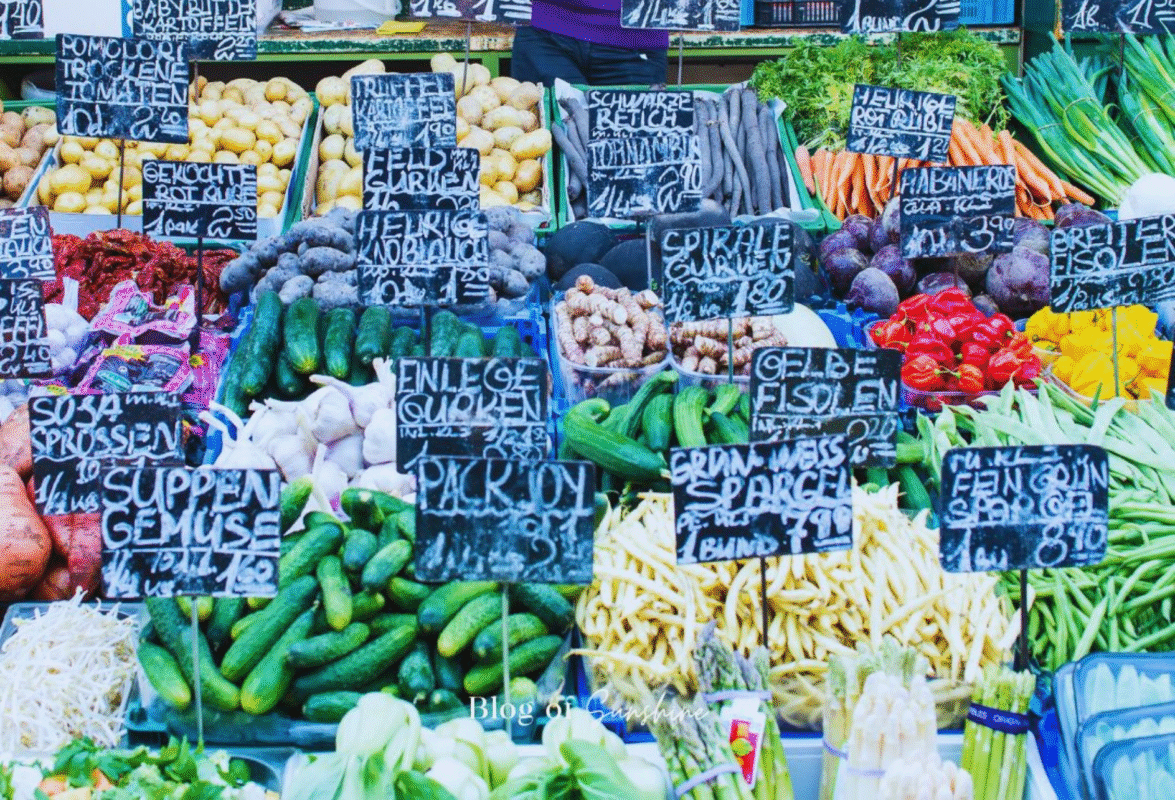
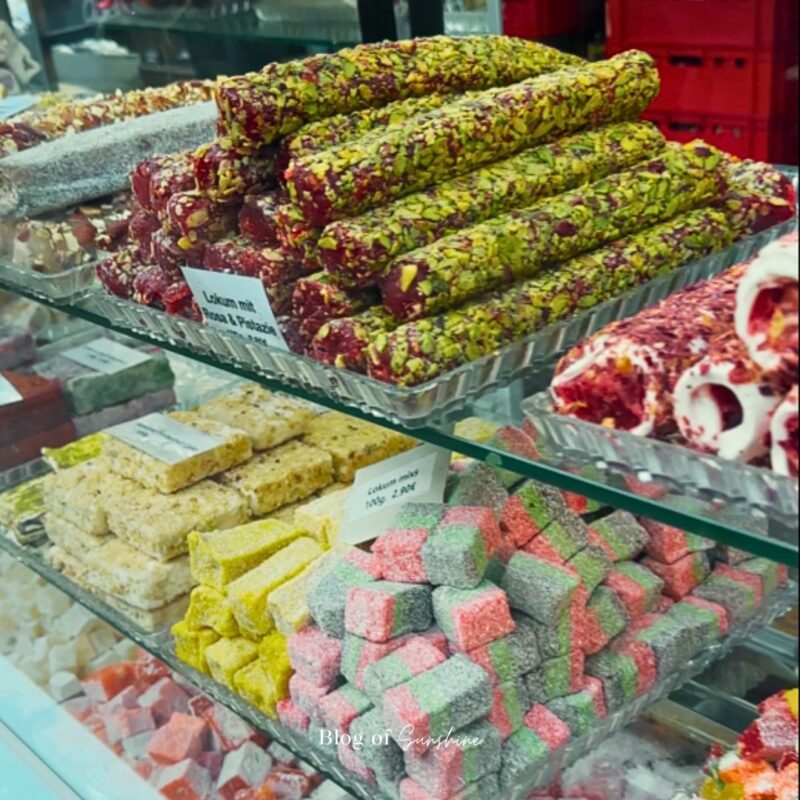
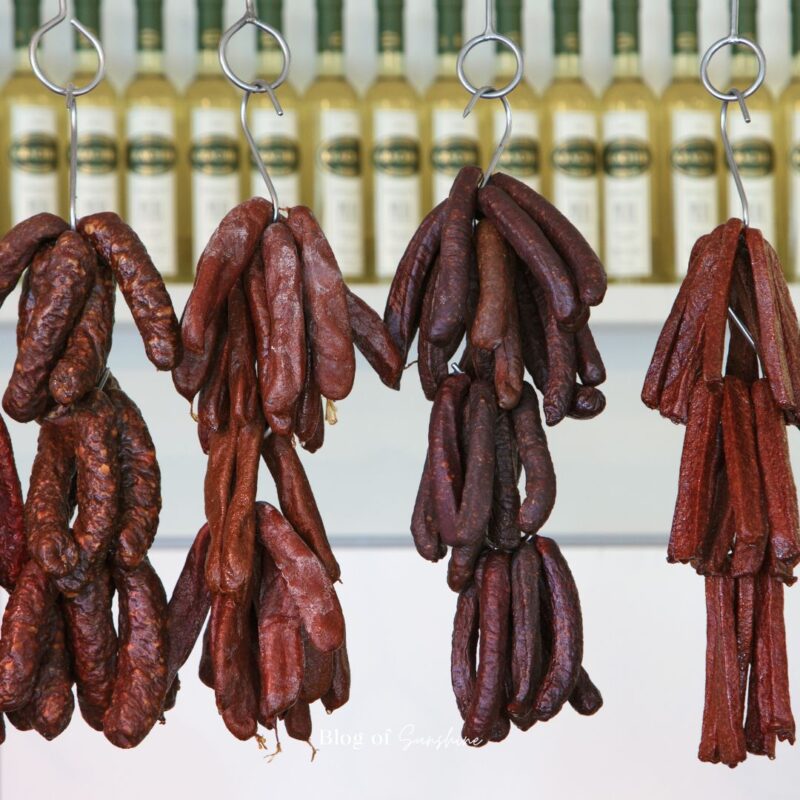
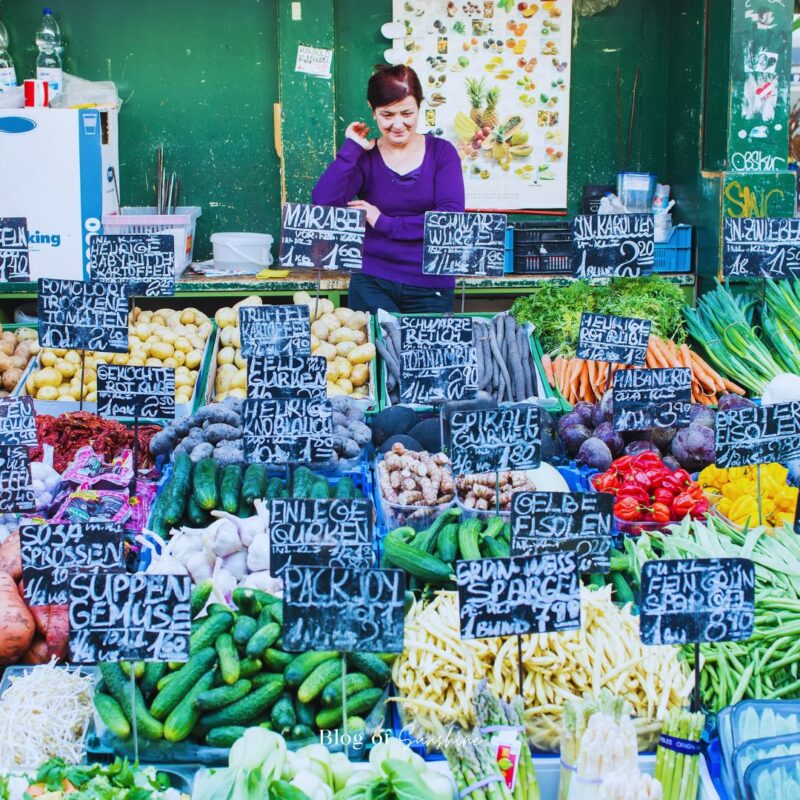
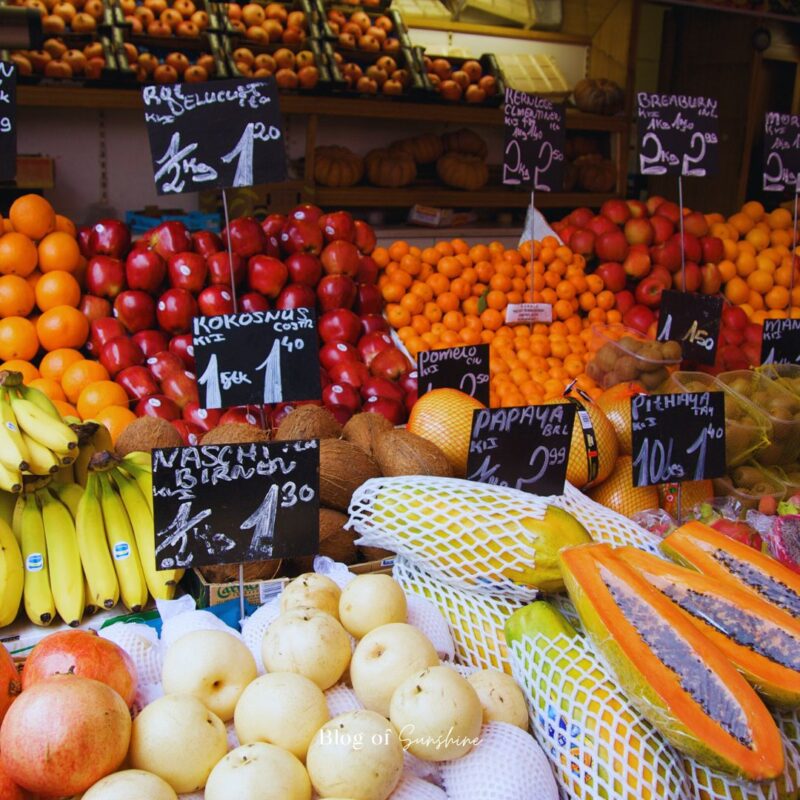
Strolling through the Naschmarkt in Vienna, you’ll find over 100 stalls bursting with fresh fruits, vegetables, aromatic spices, and gourmet delicacies from around the world. It’s a paradise for foodies, with everything from Austrian classics like schnitzel and sausages to international flavors such as Turkish baklava, Indian curries, and Vietnamese pho. Many stalls double as cozy eateries, making it the perfect place to grab a bite while soaking up the market’s dynamic energy.
Visiting on a Saturday
If you’re visiting on a Saturday, don’t miss the sprawling flea market, where you can hunt for vintage treasures, quirky antiques, and one-of-a-kind souvenirs. The Naschmarkt isn’t just about shopping or eating, it’s a cultural experience that reflects Vienna’s rich history and its modern, multicultural vibe. Whether you’re here to taste, shop, or simply wander, this vibrant marketplace promises an unforgettable slice of Viennese life.
Key Overview
- Located in Wienzeile district.
- It is open every day, except Sunday.
- There are over 100 stalls.
- The market street is over 1km long!
- Market stalls sell anything from fresh produce, spices, and clothing.
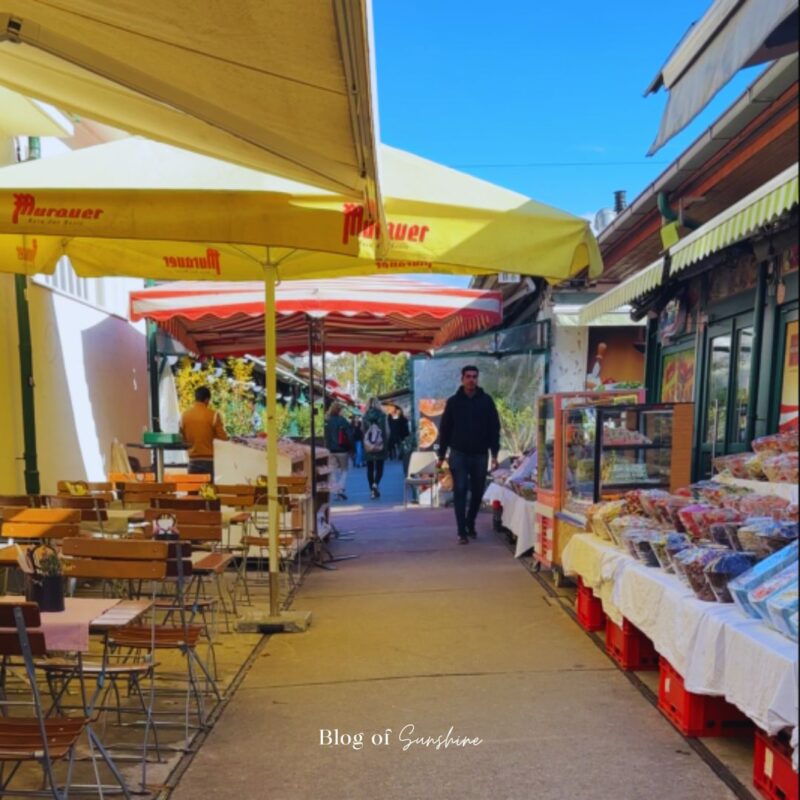
- There are lots of small and friendly restaurants, bars, and cafes.
- There is a flea market on a Saturday.
Image Gallery of Naschmarkt in Vienna
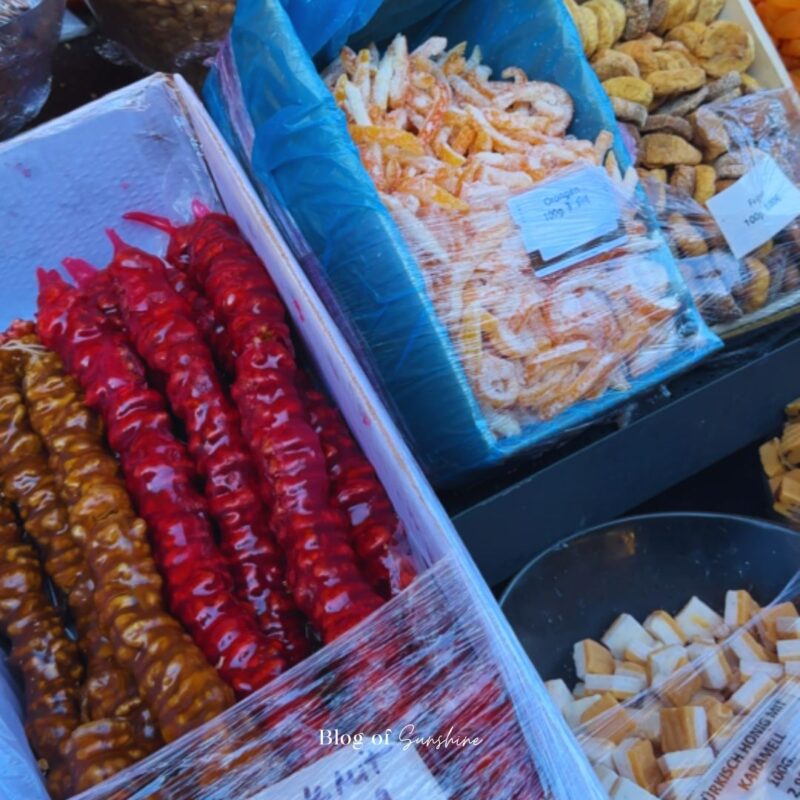
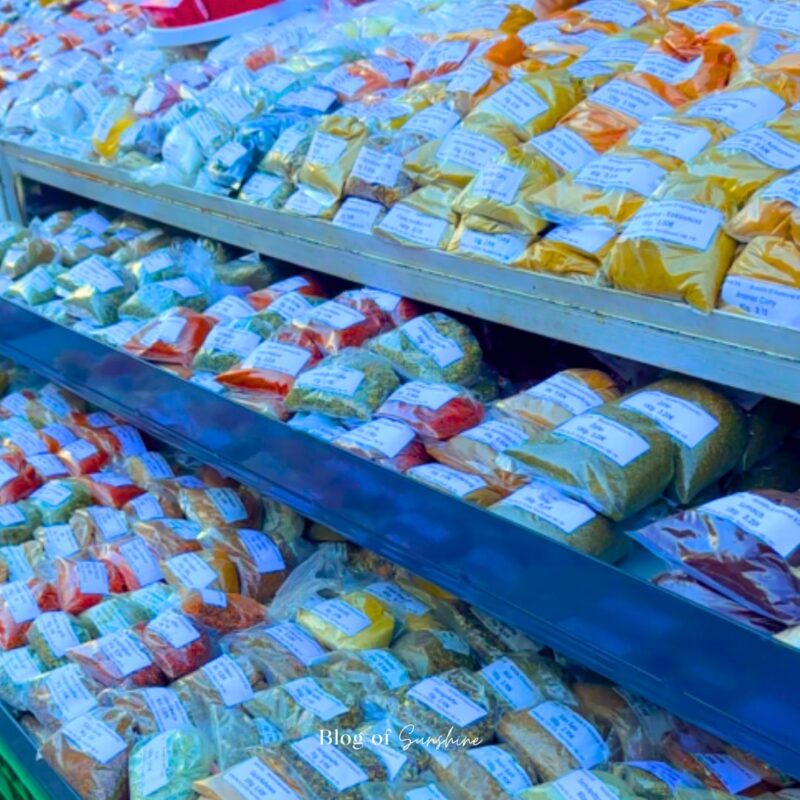
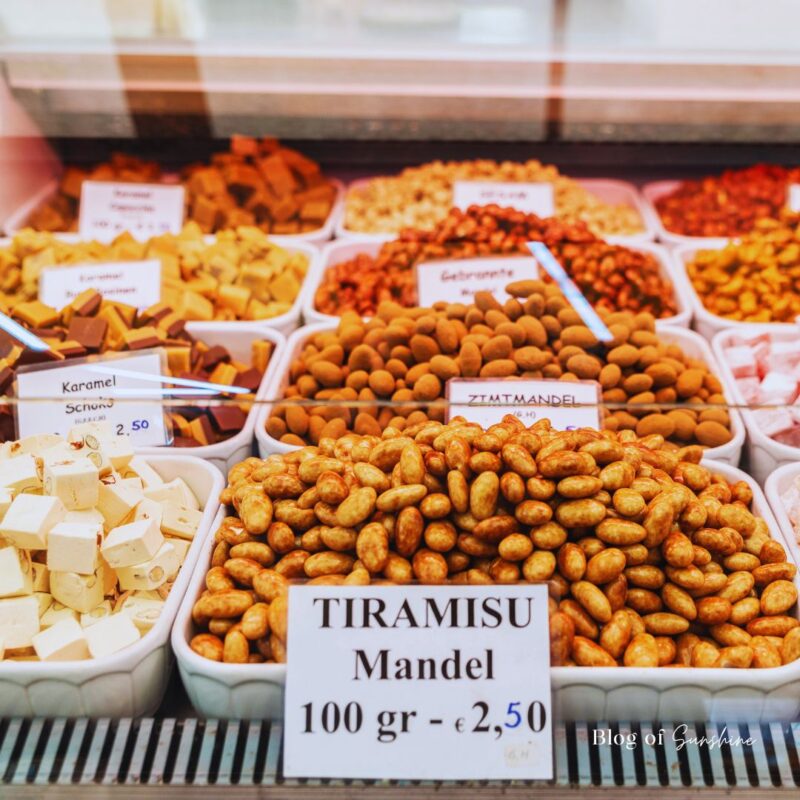
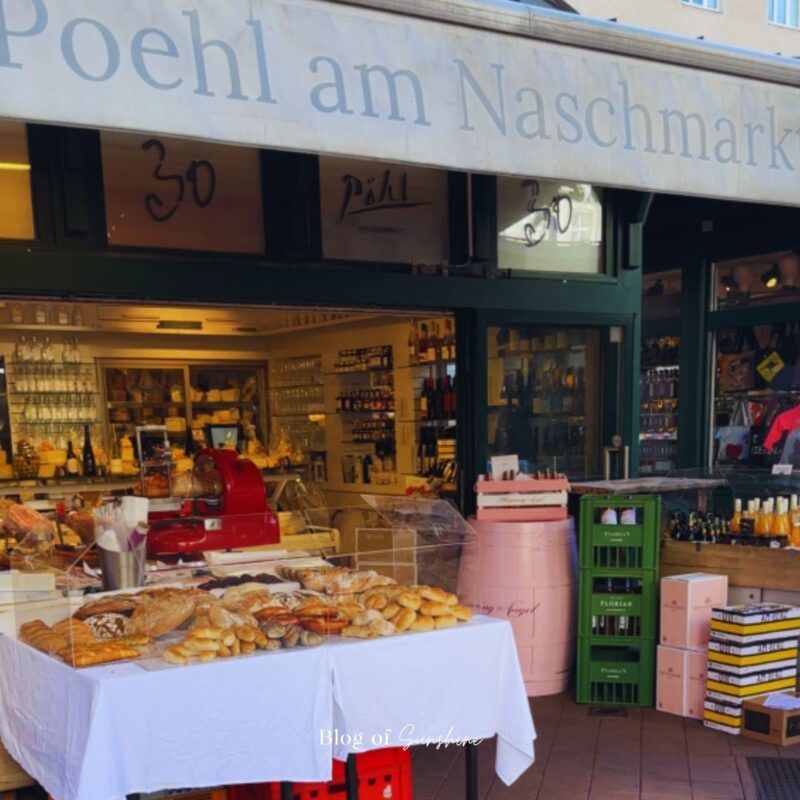
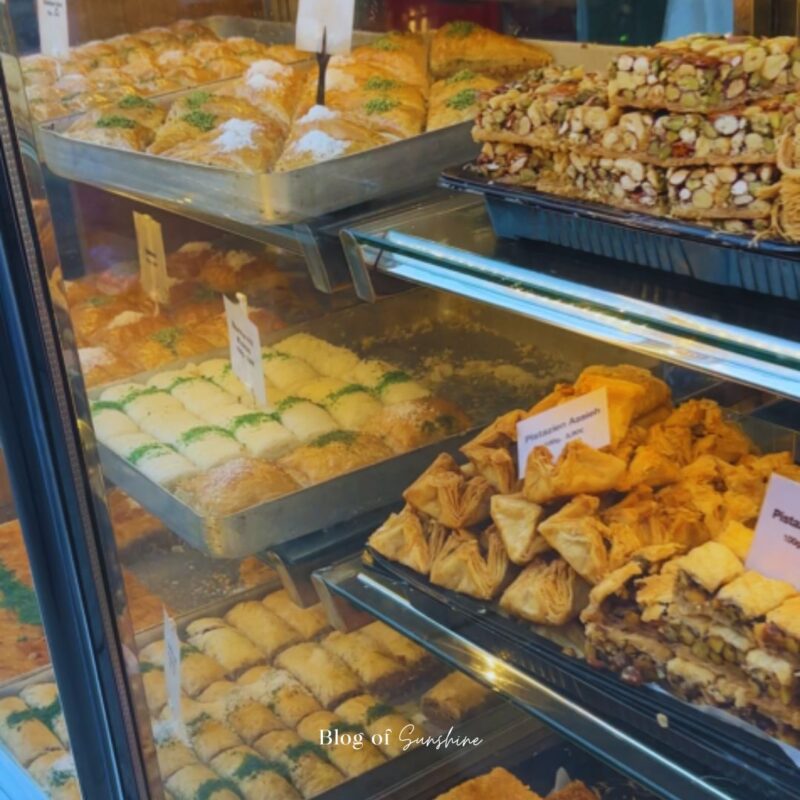
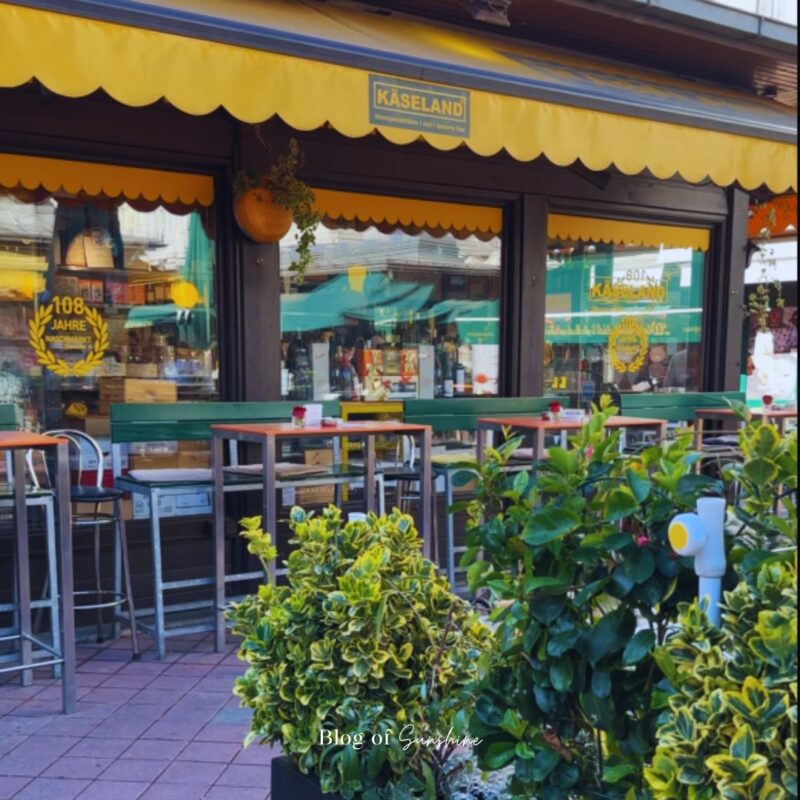
A gallery of some of the sights and items for sale at the Naschmarkt in Vienna.
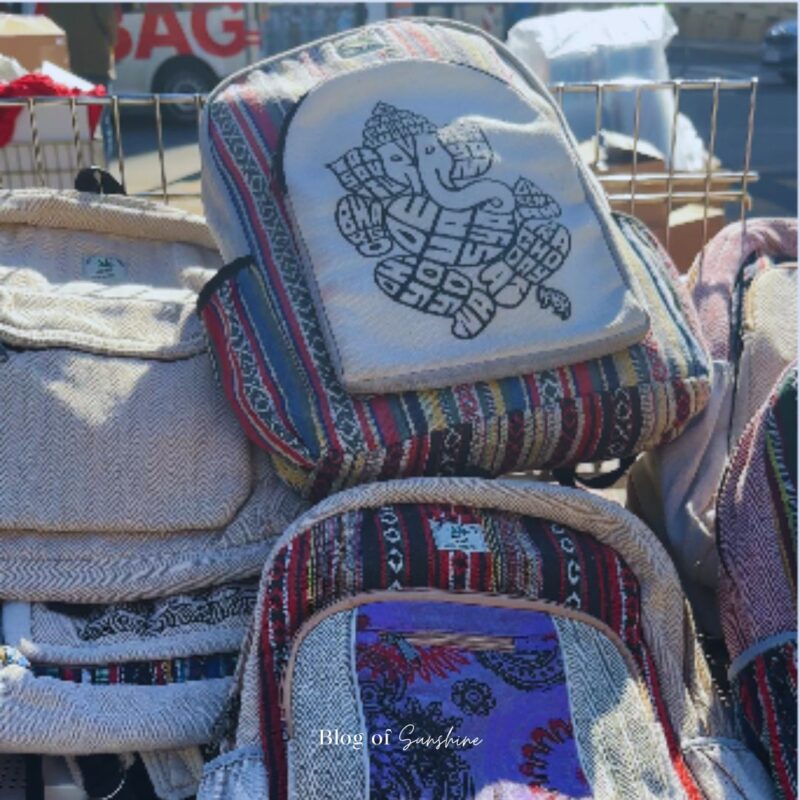
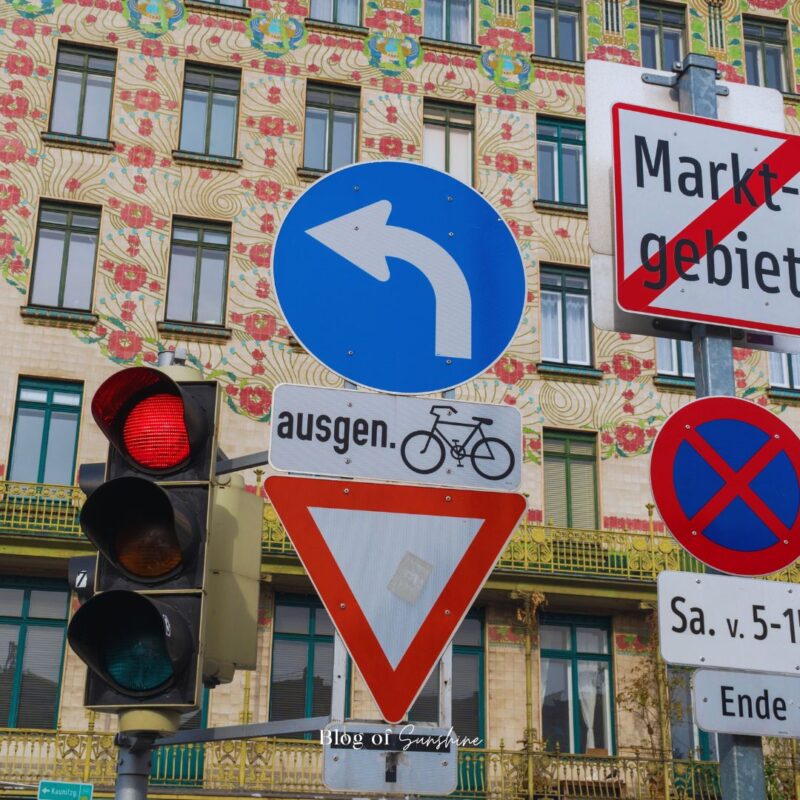
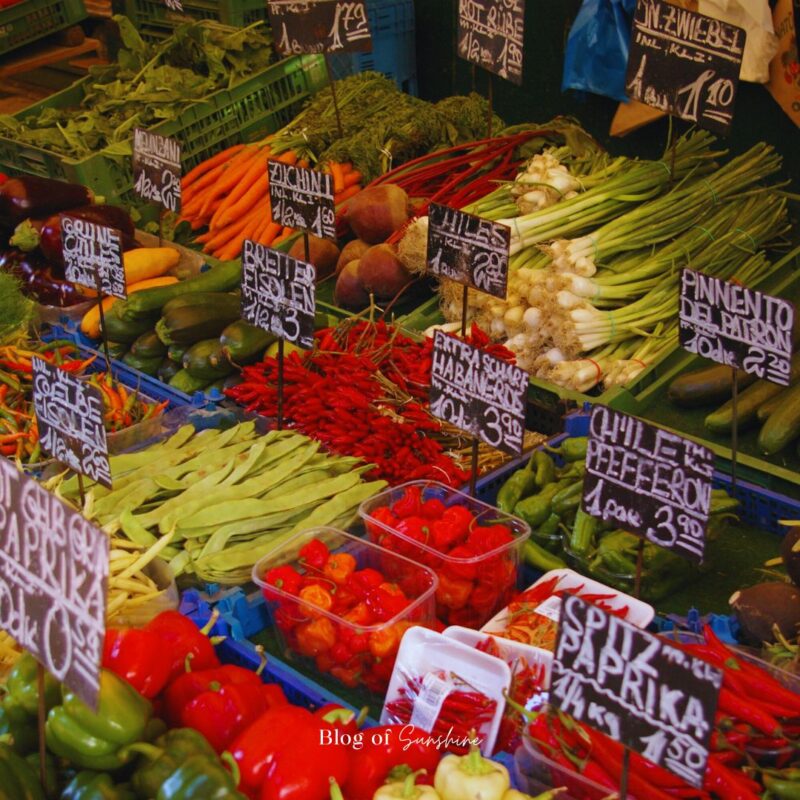
A Brief History of Naschmarkt in Vienna
Naschmarkt has been at the heart of Vienna’s food scene for centuries. Its roots go back to the 16th century, when milk bottles were sold in wooden containers – “Asch” – giving the market its name. Over time, it transformed into the bustling, multicultural hub we see today.
By the late 1800s, Naschmarkt had settled into its current location along the Wienzeile and grew to become Vienna’s most famous open-air market, thanks to its unique blend of Austrian tradition and international flavors.
Whether you’re a history buff or just curious, walking through Naschmarkt is like stepping into a living timeline of Vienna’s cultural and culinary evolution.
Best Time to Visit Naschmarkt in Vienna
While Naschmarkt is open Monday through Saturday, the best time to visit is typically early morning, around 9 – 10 AM, before the crowds arrive but after most stalls have opened. Saturdays tend to be the liveliest, especially when the flea market is running next door.
Each season brings its charm:
-
Spring brings fresh herbs, flowers, and the start of asparagus season.
-
Summer offers peak fruit and produce, with long daylight hours.
-
Fall features earthy mushrooms, chestnuts, and truffle delicacies.
-
Winter is quieter but perfect for those wanting a less touristy feel.
🌦️ Tip: Try to avoid rainy days, as many vendors operate outdoors without full cover.
What to Eat at Naschmarkt in Vienna
One of the main reasons to visit Naschmarkt is – of course – the food! With over 100 stalls and restaurants, the choices are endless. Here are some must-try highlights:
-
Falafel and hummus at the Middle Eastern stalls – flavorful and affordable.
-
Cheeses from Austrian alpine farms and French imports.
-
Pickled vegetables and olives – ideal for creating your own picnic.
-
Fresh seafood – from oysters to grilled octopus.
-
Viennese pastries like Apfelstrudel, available at several bakeries.
-
Spices and dried fruits from Turkish and Persian vendors.
For sit-down meals, restaurants like Neni am Naschmarkt and Orient & Occident are local favorites.
If you’re not confident ordering food in German, check out our essential German phrases for dining out – it’s a quick and helpful guide for navigating menus and ordering like a pro.
Tips for First-Time Visitors
If it’s your first time at Naschmarkt, here are a few tips to make your visit smoother and more enjoyable:
-
💳 Bring cash – many vendors prefer it, although cards are increasingly accepted.
-
🗣️ Know a little German – greetings like “Grüß Gott” or “Danke” go a long way.
-
🚇 Take the U-Bahn – the market is right next to Kettenbrückengasse (U4).
-
📸 Ask before taking photos at food stalls, especially of people.
-
🕒 Go early for the best selection, especially on Saturdays.
Bonus: If you’re planning to eat on the go, bring napkins or hand wipes – it can get delightfully messy.
Naschmarkt vs Other Vienna Markets
While Naschmarkt is the most well-known, Vienna boasts several other notable markets, each with its own vibe:
-
Brunnenmarkt: Located in the multicultural 16th district, it’s more local, more affordable, and slightly less polished than Naschmarkt.
-
Karmelitermarkt: Smaller and quieter, great for organic goods and local artisan finds.
-
Spittelberg Christmas Market (seasonal): Perfect for winter visitors looking for handmade gifts and festive Austrian treats.
Still, Naschmarkt stands out for its sheer variety, vibrant energy, and central location, making it ideal for first-time visitors and food lovers alike. Some more information on markets is available at the official site.
Quick Facts: Visiting Naschmarkt in Vienna
| Detail | Info |
|---|---|
| 📍 Location | Wienzeile, 1060 Vienna, Austria |
| 🕒 Opening Hours | Mon–Sat, 6:00 AM – 9:00 PM (most stalls open ~9 AM) |
| 🚇 Nearest U-Bahn | Kettenbrückengasse (U4) |
| 💸 Typical Price Range | €3–€15 for street food; restaurants higher |
| ⭐ Insider Tip | Visit Saturday morning for full market + flea market combo |
Final Reflections: Why Naschmarkt Belongs on Every Vienna Itinerary
Naschmarkt isn’t just a market, it’s a culinary and cultural experience that captures the vibrant essence of Vienna. Whether you’re savoring a flaky pastry, bargaining for olives, or soaking in the lively atmosphere, each visit feels like discovering a new layer of the city.
From street food stalls to sit-down cafés, from Turkish spices to Austrian cheeses, the diversity of flavors reflects the global soul of Vienna. And with its central location and historical roots, Naschmarkt is the perfect place to start – or end – your adventure through Austria’s capital.
So, whether you’re a foodie, a culture lover, or just someone curious about Vienna’s local life, don’t miss the chance to wander through this iconic market. You’ll leave with a full stomach, a happy heart, and maybe a few tasty souvenirs.
FAQ – Visiting Naschmarkt in Vienna
1. What are the opening hours of Naschmarkt?
Naschmarkt is open Monday to Saturday, usually from 6:00 AM to 9:00 PM. Hours can vary slightly depending on the vendor.
2. Is Naschmarkt open on Sundays?
No, the market is closed on Sundays.
3. What is the best day to visit Naschmarkt?
Saturday is the most vibrant day, as it includes the flea market. For fewer crowds, visit on weekday mornings.
4. How do I get to Naschmarkt by public transport?
The closest U-Bahn station is Kettenbrückengasse (U4). Naschmarkt is just a short walk from there.
5. Is Naschmarkt wheelchair accessible?
Yes, Naschmarkt is mostly flat and accessible, though it can get crowded, so plan accordingly during peak hours.
6. Can I pay with credit or debit cards at Naschmarkt?
Some vendors accept cards, but many are cash-only. It’s best to bring cash.
7. What types of food are available at Naschmarkt?
You’ll find Austrian, Middle Eastern, Mediterranean, Asian, and vegetarian/vegan options—everything from street food to full meals.
8. Are vegetarian and vegan options available?
Yes, many stalls serve vegetarian and vegan dishes like falafel, hummus, fresh salads, and plant-based meals.
9. What time does the flea market start?
The flea market next to Naschmarkt is held on Saturdays, starting around 6:30–7:00 AM and running until early afternoon.
10. Is Naschmarkt good for kids and families?
Yes, it’s safe and family-friendly. Kids will enjoy the sights and street snacks, though strollers might be harder to manage during peak times.
11. Are there restrooms available?
Yes, public restrooms are available near the market area. Some restaurants and cafés also have customer toilets.
12. Can I sit and eat at Naschmarkt?
Yes, many vendors have seating areas where you can enjoy your food. There are also restaurants and cafés with terraces.
13. Is Naschmarkt safe for tourists?
Yes, it’s a popular and safe destination. As always in crowded areas, keep an eye on your belongings.
14. What’s the best season to visit Naschmarkt?
Spring and summer offer the liveliest atmosphere. Fall brings seasonal produce, while winter is quieter but still worth visiting.
15. Can I find souvenirs at Naschmarkt?
Yes, especially at the Saturday flea market. You can find antiques, handmade goods, vintage items, and regional treats.
16. How much time should I spend at Naschmarkt?
Plan for 1.5 to 2 hours if you’re browsing and eating. Add more time if you’re visiting the flea market or shopping extensively.
17. Is Naschmarkt expensive?
It depends on where you eat. Street food is affordable, while sit-down restaurants can be more pricey. Prices are generally fair for Vienna.
18. Are pets allowed at Naschmarkt?
Yes, pets are allowed, but they should be on a leash. Note that it can get very crowded during peak hours.
19. Can I take photos at Naschmarkt?
Yes, photography is allowed, but it’s polite to ask before photographing vendors or people directly.
20. Are there guided tours of Naschmarkt?
Yes, some walking tours include Naschmarkt as a stop. You can also find food tours that offer guided tastings.
21. Does Naschmarkt have a Christmas market?
While Naschmarkt itself isn’t a traditional Christmas market, some vendors add festive touches in December — like seasonal foods, decorations, and warm drinks. For classic Christmas market vibes, visit Karlsplatz or Rathausplatz nearby.
22. Is Naschmarkt worth visiting in December?
Yes! Naschmarkt in December is less crowded than Vienna’s main Christmas markets and offers a cozy, local feel. You’ll still find seasonal ingredients, festive snacks, and warm street food perfect for winter days.
23. What kind of Christmas food can I find at Naschmarkt?
Look for roasted chestnuts, spiced nuts, mulled wine (Glühwein), maroni, and traditional Austrian pastries during the Advent season. While not every stall offers holiday treats, many embrace the festive spirit in their own way.
Discover More Guides on Austria Travel and the German Language
Explore even more helpful articles to inspire your trip to Austria and improve your German skills. From local market experiences and cultural highlights to essential language tips, these guides will help you get the most out of your journey. Browse the posts below to start planning your next adventure.
Germany Travel Guides Europe Travel
German Dining Etiquette: 7 Essential Table Manners Every Tourist Should Know
Traveling to Germany? Learn the top 7 German dining etiquette tips to avoid tourist mistakes and enjoy authentic meals like a local. Fork placement, tipping rules, and more!
Read More German Travel Guides and Language TipsJul
Germany Travel Guides Europe Travel
11 Big and Small Things to See in Berlin – From Iconic Sights to Hidden Surprises
Discover 11 big and small things to see in Berlin, from iconic landmarks to hidden gems, street art, markets, and unique Berlin attractions.
Read More German Travel Guides and Language TipsJun
German
60 Essential German Phrases Every Traveler Needs
Traveling to Germany or Austria? Learn 60 essential German phrases to greet locals, navigate cities, and handle emergencies with confidence.
Read More German Travel Guides and Language TipsJun
Austria Travel Guides Europe Travel
Naschmarkt in Vienna / Wien
If you're a local culture seeker, then the Naschmarkt in Vienna / Wien is a must visit place. A lively hub for everyone!
Read More German Travel Guides and Language TipsJun
German
15 Important German Phrases For Dining Out
Learn 15 essential German phrases for dining out, perfect for ordering food, asking for the bill, and navigating restaurants in Germany with confidence.
Read More German Travel Guides and Language TipsMay
Austria Travel Guides Europe Travel
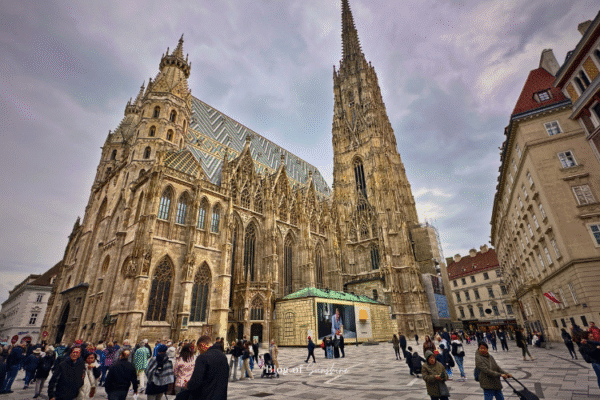
Climb the South Tower of St. Stephen’s Cathedral in Vienna: The Best Panoramic View of the City
Climb the south tower of St. Stephen's Cathedral in Vienna for breathtaking views, epic photos, and a must-see city experience.
Read More German Travel Guides and Language TipsMay
