
Table of Contents
20 Essential Polish Phrases for Tourists (With Easy Pronunciation)
Learn 20 essential Polish phrases for tourists with easy pronunciation, including greetings, polite expressions, transport and useful words for your trip.
Explore MoreOct
Beaumont Park Huddersfield: Walks, Parking & Things to See
Explore Beaumont Park Huddersfield, with woodland walks, Victorian features, scenic views and practical visitor tips, plus beautiful autumn photos.
Explore MoreOct
Useful Greek Phrases for Cyprus: Simple Words to Know Before You Go
Planning a trip to Cyprus? Learn useful Greek phrases for Cyprus, including greetings, thank you, ordering food and polite travel words for tourists.
Explore MoreJul
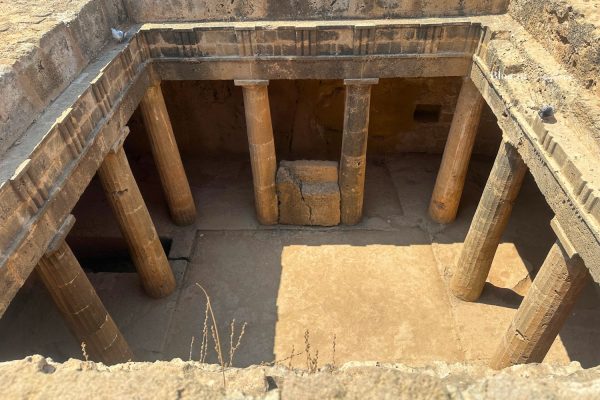
Tombs of the Kings Paphos Guide 2026: Is It Worth Visiting?
Planning to visit Tombs of the Kings Paphos in 2026? This honest guide covers tickets, opening times, what to expect, tips and whether it is worth visiting.
Explore MoreJul
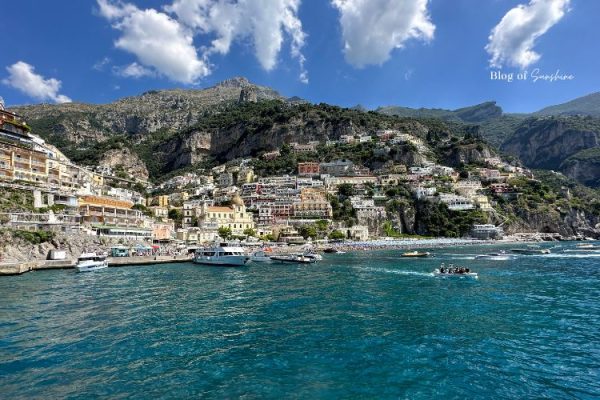
Sorrento to Amalfi: Best Way to Travel in 2026
Planning a trip from Sorrento to Amalfi? This guide covers the best way to get from Sorrento to Amalfi, including ferry, bus, prices and travel tips.
Explore MoreMay
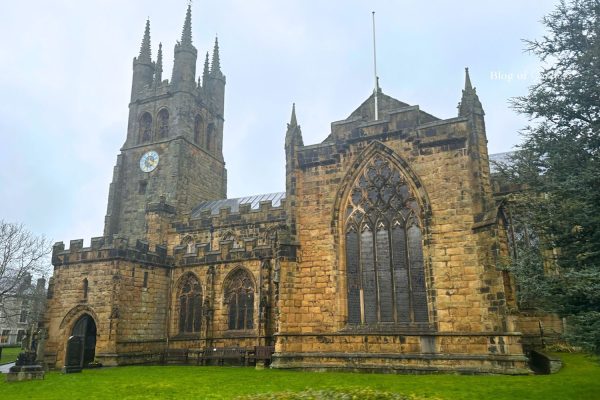
St John the Baptist Church, Tideswell (Buxton): Cathedral of the Peak
Visit St John the Baptist Church in Tideswell near Buxton, the “Cathedral of the Peak”. Discover highlights to see inside, a little history, and tips for your visit.
Explore MoreFeb
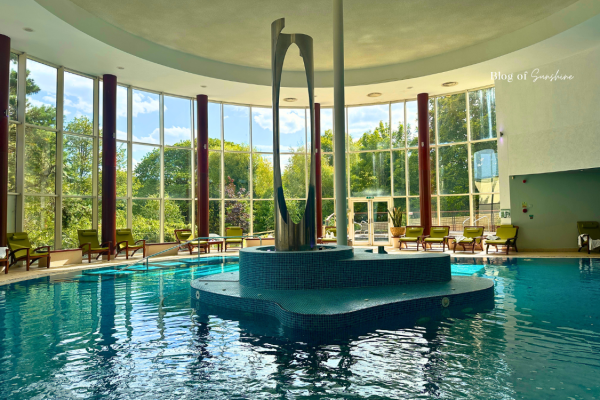
Seaham Hall Hotel Review: Luxury Spa Break, County Durham
Planning a luxury spa break in the North East? This Seaham Hall Hotel review covers the Serenity Spa, rooms, dining, prices, and booking tips to get the best deal.
Explore MoreDec
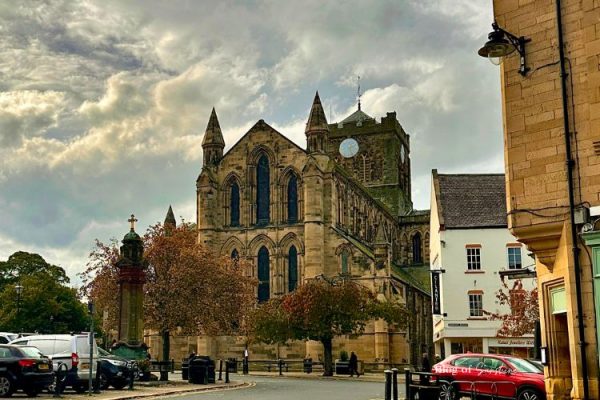
Things to do in Hexham: A Perfect Day Trip to Northumberland’s Prettiest Market Town
Planning a day trip to Hexham? Discover the best things to do in Hexham, from the Old Gaol and Hexham Abbey to riverside walks, indie shops and Sycamore Gap.
Explore MoreDec
Planning a trip to Poland? Whether you’re exploring the beautiful streets of Kraków, discovering Warsaw or heading somewhere a little less touristy, learning a few basic Polish phrases can make your trip even more enjoyable.
Let’s face it, Polish can look a little intimidating at first! With all those unfamiliar letters and combinations of consonants, it’s not always obvious how to pronounce even the simplest words.
But don’t worry, you don’t need to become fluent before your holiday.
Knowing how to say hello, thank you, order a coffee or ask for directions can make everyday situations much easier. And making an effort to speak a little of the local language is often appreciated.
I’ve put together 20 essential Polish phrases for tourists, complete with easy pronunciation guides and English translations. They’re designed for real travel situations, from train stations to shopping and asking for help.
So, whether you’re visiting Poland for a weekend city break or planning a longer adventure, save this guide and practise a few phrases before you go!
Do You Need to Speak Polish When Visiting Poland?
The good news is that you don’t need to speak Polish to enjoy a holiday in Poland.
English is widely used in many tourist areas, particularly in larger cities such as Kraków, Warsaw, Gdańsk and Wrocław. Hotels, restaurants and popular attractions will often have English-speaking staff.
However, venture outside the main tourist areas and you might find that English is less commonly spoken, especially in smaller towns, independent shops and local cafés.
That’s where knowing a few basic Polish words and phrases can really come in handy.
You don’t need perfect grammar or pronunciation. Even saying dzień dobry when entering a shop or dziękuję when someone helps you can make an interaction feel a little more friendly.
And sometimes, those small interactions become some of the nicest memories of travelling.
Easy Polish Pronunciation Tips for Beginners
Before getting into the phrases, it’s worth knowing a few simple things about Polish pronunciation.
Some Polish letters sound quite different from their English equivalents, but once you understand a handful of rules, things become a little easier.
| Polish letters | How they sound |
|---|---|
| W | Like the English v in very |
| Ł | Like the English w in water |
| J | Like the English y in yes |
| Sz | Similar to sh in shoe |
| Cz | Similar to ch in chair |
| C | Like ts in cats |
| Ż or Rz | Similar to the s in measure |
| Ch | A throaty sound, like ch in Scottish loch |
Polish also has softer consonants and nasal vowel sounds that don’t have exact English equivalents.
A quick tip: Polish words usually place the stress on the second-to-last syllable.
Throughout this guide, I’ve written the pronunciation in a way that’s easier for English speakers to follow, with CAPITAL LETTERS showing which syllable to emphasise.
These are approximate pronunciation guides rather than exact phonetic transcriptions. Listening to a native Polish speaker is still the best way to hear the more difficult sounds.
Basic Polish Greetings and Polite Phrases
Let’s start with the essentials!
These are some of the most useful Polish phrases to learn before travelling. You’ll hear them in shops, cafés, hotels and everyday conversations.
| Polish phrase | Easy pronunciation | English meaning |
|---|---|---|
| 1. Dzień dobry | jen DOH-bri | Hello / Good morning / Good afternoon |
| 2. Cześć | CHESHCH | Hi / Bye (informal) |
| 3. Dobry wieczór | DOH-bri VYEH-choor | Good evening |
| 4. Do widzenia | doh vee-DZEH-nyah | Goodbye |
| 5. Dziękuję | jen-KOO-yeh | Thank you |
| 6. Proszę | PROH-sheh | Please / You’re welcome |
| 7. Przepraszam | psheh-PRAH-sham | Excuse me / Sorry |
| 8. Tak | tahk | Yes |
| 9. Nie | nyeh |
No |
A Little Polish Etiquette Worth Knowing
One thing that’s useful to know is that Polish has different ways of speaking to people depending on how well you know them.
Dzień dobry is a polite greeting that’s perfect for shops, hotels, restaurants and anyone you’re meeting for the first time.
Cześć, on the other hand, is much more informal. It’s something you’d use with friends or people you know.
And here’s a particularly useful word: proszę.
Depending on the situation, it can mean please, you’re welcome or even here you are when handing something to someone.
Pretty handy for one little word!
If you only learn a handful of Polish phrases, I’d definitely make dzień dobry, proszę, dziękuję and przepraszam some of your first.
What to Say When You Don’t Understand Polish
Even if you learn a few Polish words before travelling, there will probably be moments when someone replies with a whole sentence and you have absolutely no idea what they’ve said!
Don’t panic. These phrases can help.
| Polish phrase | Easy pronunciation | English meaning |
|---|---|---|
| 10. Czy mówi pan/pani po angielsku? | chih MOO-vee pahn/PAH-nee poh an-GYEL-skoo | Do you speak English? |
| 11. Nie rozumiem | nyeh roh-ZOO-myem | I don’t understand |
| 12. Proszę mówić wolniej | PROH-sheh MOO-veech VOHL-nyey | Please speak more slowly |
What’s the Difference Between Pan and Pani?
You might have noticed the words pan and pani in the first phrase.
In Polish, these are polite forms of address:
Pan is used when speaking to a man, while pani is used when speaking to a woman.
So, if you’re asking a man whether he speaks English, you’d say:
Czy mówi pan po angielsku?
And if you’re asking a woman:
Czy mówi pani po angielsku?
It might seem like a small detail, but it’s a useful part of speaking politely in Poland.
Useful Polish Phrases for Shopping and Getting Around
Whether you’re exploring Kraków, catching a train to another city or wandering around a local market, there are a few Polish phrases that are particularly handy to know.
You don’t need to understand every word someone says, but being able to ask a simple question can make travelling around Poland a little easier.
| Polish phrase | Easy pronunciation | English meaning |
|---|---|---|
| 13. Ile to kosztuje? | EE-leh toh kosh-TOO-yeh | How much does it cost? |
| 14. Gdzie jest toaleta? | GDZYEH yest toh-ah-LEH-tah | Where is the toilet? |
| 15. Gdzie jest dworzec kolejowy? | GDZYEH yest DVOH-zhets koh-leh-YOH-vih | Where is the railway station? |
| 16. Gdzie jest przystanek autobusowy? | GDZYEH yest pshih-STAH-nek ow-toh-boo-SOH-vih | Where is the bus stop? |
| 17. Jeden bilet, proszę | YEH-den BEE-let PROH-sheh | One ticket, please |
A Handy Polish Phrase to Remember
One of the most useful expressions here is Gdzie jest…?, meaning “Where is…?”
Once you know it, you can use it when looking for different places, from the railway station to the nearest toilet.
And if you’re planning to travel around Poland by train, remember that bilet means ticket.
Travel tip: Poland uses the Polish złoty (PLN), rather than the euro. You’ll normally see prices displayed with the abbreviation zł.
Emergency Polish Phrases Worth Knowing
Hopefully, you’ll never need these during your travels, but it’s always worth knowing a few simple words in case something goes wrong.
| Polish phrase | Easy pronunciation | English meaning |
|---|---|---|
| 18. Pomocy! | poh-MOH-tsih | Help! |
| 19. Potrzebuję lekarza | poh-tsheh-BOO-yeh leh-KAH-zhah | I need a doctor |
| 20. Gdzie jest apteka? | GDZYEH yest ahp-TEH-kah | Where is the pharmacy? |
The emergency number in Poland is 112, which you can call free of charge when urgent assistance is needed.
It’s worth saving the number on your phone, along with your accommodation details and travel insurance information.
My Tips for Learning a Few Polish Phrases
If you’re heading to Poland for a holiday, don’t worry about trying to learn everything at once.
Start with the basics: hello, thank you, please and excuse me.
They’re the words you’re most likely to use throughout your trip, whether you’re in a hotel, shop or restaurant.
I’d also recommend listening to native Polish speakers to get a feel for the pronunciation. The guides above are designed to make the words easier to read, but some Polish sounds don’t have an exact English equivalent.
And here’s a handy idea: save this page on your phone so you can refer back to the phrases whenever you need them.
Final Thoughts: Is It Worth Learning Polish Before Your Trip?
Absolutely!
You don’t need to speak fluent Polish to enjoy travelling around Poland, especially in the larger cities and popular tourist destinations.
But learning a few simple phrases can make everyday situations easier and help you connect with the people you meet along the way.
Even a friendly dzień dobry or dziękuję can make a difference.
So, whether you’re planning a weekend in Kraków, exploring Warsaw or discovering somewhere a little less well known, why not practise a few of these Polish phrases before you go?
Sometimes it’s the little things that make travelling even more enjoyable.
And if you’re looking for somewhere to visit, why not try Przemyśl or Krakow. These posts will give you a great insight into visiting Poland and the opportunity to try out your new Polish words!
Frequently Asked Questions About Polish Phrases
What are the most useful Polish phrases for tourists?
Some of the most useful phrases include dzień dobry (hello), dziękuję (thank you), proszę (please), przepraszam (excuse me) and do widzenia (goodbye). They’re helpful in shops, hotels and everyday conversations.
How do you say hello in Polish?
The most common polite greeting is dzień dobry, pronounced approximately “jen DOH-bri”. For an informal hello between friends, you can say cześć.
How do you say thank you in Polish?
Thank you in Polish is dziękuję, pronounced approximately “jen-KOO-yeh”.
How do you say please in Polish?
Please in Polish is proszę, pronounced approximately “PROH-sheh”. It can also mean you’re welcome or here you are, depending on the situation.
Can you travel around Poland without speaking Polish?
Yes. English is widely understood in many tourist areas, particularly in larger cities. However, knowing a few basic Polish phrases can be especially helpful in smaller towns and local businesses.
How do you ask if someone speaks English in Polish?
You can say czy mówi pan po angielsku? when speaking politely to a man, or czy mówi pani po angielsku? when speaking to a woman.
Is Polish difficult to learn for tourists?
Polish pronunciation can seem challenging at first, particularly because of its unfamiliar consonant combinations. However, you don’t need to learn the whole language for a holiday. Even a handful of useful words can help.
More European Travel Guides
Planning your next European adventure? There’s so much to discover, from beautiful historic cities and charming towns to fascinating cultures, local food and places you might never have thought of visiting.
Whether you’re planning a weekend city break or a longer holiday, why not explore some of my other European travel guides?
Have a browse through the posts below for more travel tips, places to visit and inspiration for your next getaway. You might just discover somewhere new to add to your travel list!
20 Essential Polish Phrases for Tourists (With Easy Pronunciation)
Learn 20 essential Polish phrases for tourists with easy pronunciation, including greetings, polite expressions, transport and useful words for your trip.
Explore MoreOct
Beaumont Park Huddersfield: Walks, Parking & Things to See
Explore Beaumont Park Huddersfield, with woodland walks, Victorian features, scenic views and practical visitor tips, plus beautiful autumn photos.
Explore MoreOct
Useful Greek Phrases for Cyprus: Simple Words to Know Before You Go
Planning a trip to Cyprus? Learn useful Greek phrases for Cyprus, including greetings, thank you, ordering food and polite travel words for tourists.
Explore MoreJul
Tombs of the Kings Paphos Guide 2026: Is It Worth Visiting?
Planning to visit Tombs of the Kings Paphos in 2026? This honest guide covers tickets, opening times, what to expect, tips and whether it is worth visiting.
Explore MoreJul
Sorrento to Amalfi: Best Way to Travel in 2026
Planning a trip from Sorrento to Amalfi? This guide covers the best way to get from Sorrento to Amalfi, including ferry, bus, prices and travel tips.
Explore MoreMay
St John the Baptist Church, Tideswell (Buxton): Cathedral of the Peak
Visit St John the Baptist Church in Tideswell near Buxton, the “Cathedral of the Peak”. Discover highlights to see inside, a little history, and tips for your visit.
Explore MoreFeb
Seaham Hall Hotel Review: Luxury Spa Break, County Durham
Planning a luxury spa break in the North East? This Seaham Hall Hotel review covers the Serenity Spa, rooms, dining, prices, and booking tips to get the best deal.
Explore MoreDec
Things to do in Hexham: A Perfect Day Trip to Northumberland’s Prettiest Market Town
Planning a day trip to Hexham? Discover the best things to do in Hexham, from the Old Gaol and Hexham Abbey to riverside walks, indie shops and Sycamore Gap.
Explore MoreDec
